Freshwater Biodiversity Crisis: NOAA Coral Reef Watch Data and the Water-Climate Connection
Two parallel ecological crises are converging: freshwater biodiversity collapse and coral reef bleaching. Together they signal a planetary water system under severe stress. This article examines what NOAA Coral Reef Watch data reveals, how freshwater ecosystems are responding to seasonal shifts, and what the worsening water crisis in the USA means for sustainability strategy.
Freshwater Biodiversity: Earth’s Most Endangered Species Group
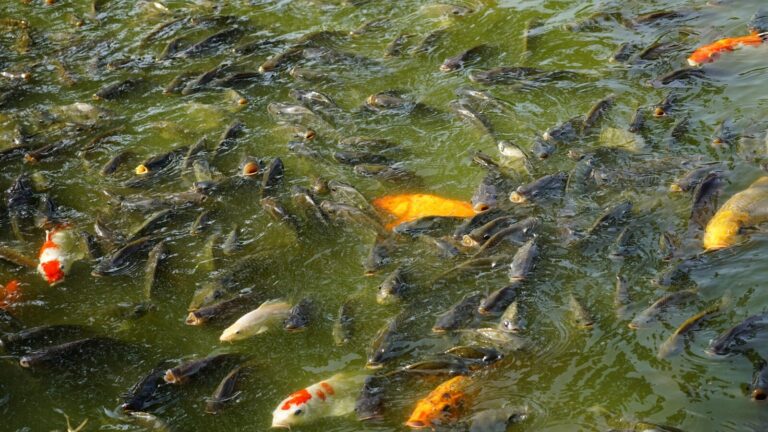
Freshwater species — fish, amphibians, invertebrates, and aquatic plants — are declining faster than marine or terrestrial species. Since 1970, monitored freshwater wildlife populations have fallen by an average of 83%, according to WWF’s Living Planet Index. The primary drivers are habitat loss, pollution, water extraction, invasive species, and now climate change.
Rivers and lakes cover less than 1% of Earth’s surface but support roughly 10% of all known species and a third of all vertebrate species. When these systems degrade, they don’t just lose biodiversity — they lose the natural filtration, flood regulation, and groundwater recharge services that human civilization depends on.
NOAA Coral Reef Watch: Ocean Bleaching Signals for Land
NOAA’s Coral Reef Watch uses satellite thermal data to monitor sea surface temperatures in coral habitats globally. Its Bleaching Alert Area product has become essential to marine conservation — and an early warning system for the broader climate system.
In 2023–2024, NOAA confirmed the fourth global coral bleaching event on record, affecting reefs across the Pacific, Atlantic, and Indian Oceans simultaneously. The thermal stress levels recorded — measured in Degree Heating Weeks (DHW) — exceeded any previously recorded event. When corals bleach at scale, the cascading food web effects reach thousands of marine species and the communities that depend on reef fisheries.
For sustainability professionals, coral reef health is a proxy indicator for ocean health broadly — and ocean health is inseparable from climate stability, food security, and coastal economic resilience.
Seasonal Ecosystem Shifts Disrupting Water Systems
Climate-driven seasonal shifts are altering the timing of snowmelt, rainfall patterns, and river flows in ways that freshwater ecosystems weren’t adapted to handle:
- Earlier snowmelt in mountain watersheds delivers peak flow weeks before aquatic species spawn, causing recruitment failures
- Prolonged summer low flows elevate water temperatures beyond thermal tolerance of salmon, trout, and other cold-water species
- Intense rainfall events flush more sediment and agricultural runoff into rivers, smothering gravel spawning beds
- Drought followed by flood cycles whipsaw between extremes faster than riparian plant communities can recover
The Water Crisis in the USA
The American West is experiencing multi-decadal megadrought — the worst in 1,200 years according to tree-ring data. Lake Mead and Lake Powell, the nation’s two largest reservoirs, reached historically low levels in 2022, threatening water supply for 40 million people across seven states and northern Mexico. Aquifer depletion in the High Plains (Ogallala Aquifer) is depleting groundwater at rates that take centuries to recharge naturally.
At the same time, the Great Lakes region, the Gulf Coast, and the Southeast face increasing flood risk — too much water in the wrong places at the wrong times. Water infrastructure built for 20th-century climate patterns is increasingly mismatched to 21st-century reality.
Strategies for Practitioners
Organizations tracking water as a material ESG risk should monitor NOAA’s freshwater and coral datasets, incorporate ecosystem services valuation into site risk assessments, disclose water withdrawal and consumption against local scarcity baselines using SASB or TCFD frameworks, and engage with watershed partnerships that restore floodplain connectivity and riparian buffers. Freshwater biodiversity protection isn’t just an environmental value — it’s infrastructure protection for human society.