
Super El Niño: 5 Devastating Signs of a Hotter Earth
The Approaching Super El Niño and the 1.5°C Threshold
The Pacific Ocean operates as the planet’s primary thermal regulator, but mounting evidence suggests a structural breakdown. As warming seas expand from the Western Pacific Warm Pool, predictive models for the 2026 El Niño indicate we are entering an unprecedented phase of ocean-atmosphere disruption. If a Super El Niño manifests within the next 12 to 18 months, global average temperatures could irreversibly breach the 1.5 degrees Celsius threshold, transitioning from temporary weather anomalies into permanent climate regime shifts.
According to leading climate scientists, breaking this threshold is not a temporary statistical spike. It signifies the point where relatively stable systems of forests, hydrology, and temperature that have sustained human civilization begin to fundamentally collapse (Hansen, 2026). The focus must shift from standard cyclical patterns to a permanent recalibration of Earth’s baseline ecosystems.
Table of Contents
Defining the Climate Regime Shift
A recent study highlights that a Super El Niño—defined as sea surface temperature anomalies exceeding 2 standard deviations above normal—functions as a systemic shock (Kug, 2025). These intense thermal venting events trigger long-lasting “regime shifts,” permanently altering both oceanic and terrestrial ecosystems well beyond the tropical Pacific.
Marine Heatwaves and Atmospheric Restructuring
Historically, there have been only three super-scale El Niño events: 1982-83, 1997-98, and 2015-16. Each contributed to massive marine heatwaves that devastated global reefs. However, the current compounding baseline of global warming means the next event will accelerate ocean circulation collapse risks, particularly in regime-shift hotspots like the central North Pacific and the Gulf of Mexico.
Predictive Insight: As El Niño frequency and intensity shift, we are witnessing a direct correlation with permanent atmospheric reorganizations. This will fundamentally alter the insurance industry’s baseline models, meaning uninsurable zones will rapidly expand by 2030, spreading far beyond coastal floodlines directly into the world’s critical agricultural heartlands.
Terrestrial Collapses and Soil Moisture Deficits
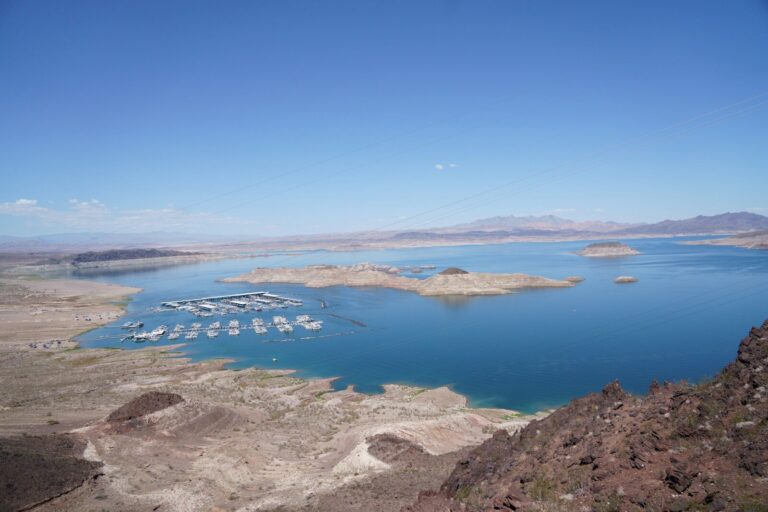
While ocean impacts are immediate, terrestrial ecosystems suffer prolonged, cascading failures. Super El Niño events reshape regional precipitation through teleconnections, leading to severe soil moisture collapses that can last for years. We are already seeing the precursors of this with extreme California precipitation shifts, where reservoirs rapidly swing between completely dry and hazardously overflowing.
| Vulnerable Region | Primary Regime Shift Impact | Agricultural Consequence |
|---|---|---|
| Central Asia & Amazon | Multi-year soil moisture depletion | Compounded drought stress across growing seasons |
| East Africa | Disruption of established monsoonal flow | Catastrophic food insecurity and herd die-offs |
| Maritime Continent | Persistent high-pressure heat domes | Total failure of traditional planting calendars |
The Global Adaptation Gap
Understanding these regime shifts is critical for confronting the staggering financial realities of our changing planet. The United Nations Environment Programme’s 2025 Adaptation Gap Report reveals a drastic shortfall: while developing nations require up to $365 billion annually by 2035 to prepare for these systemic shifts, current international public finance sits at a meager $26 billion (UNEP, 2025). This widening global adaptation gap practically guarantees that the physical impacts of the next Super El Niño will translate into profound socioeconomic crises.
Actionable Intelligence: Systems-Level Responses
To survive these impending regime shifts, incremental adjustments are no longer viable. Here are three systemic actions required immediately:
- Anticipatory Infrastructure Redesign: Municipalities and regional governments must stop building for the “old normal.” Infrastructure must be radically overhauled to withstand both 500-year flood events and multi-year mega-droughts simultaneously.
- Regenerative Hydrological Planning: Shift agricultural subsidies away from water-intensive monocultures towards drought-resilient crop genetics and deep-soil moisture retention techniques (e.g., biochar integration).
- Dynamic Risk Re-Evaluation: Corporate sustainability teams and ecological economists must integrate regime-shift models into long-term financial planning, accepting that historical data is now obsolete for predicting future risk.