
Decoding the ECMWF Forecast: A Record-Strength El Niño 2026?
The European Centre for Medium-Range Weather Forecasts (ECMWF) is globally recognized for its highly accurate, medium-range atmospheric modeling. Their April 1 ensemble runs delivered a striking warning to the meteorological community. The models project that sea surface temperatures in the critical Niño 3.4 region could surge to +2.5°C above the historical average by October 2026.
Even more alarming, multiple model iterations push this anomaly past the +3°C threshold. If these projections verify, this event would match or potentially surpass the devastating 1997-1998 “Super El Niño.” This sudden departure from the current weak La Niña represents a massive release of oceanic heat into the atmosphere.
To comprehend the magnitude of a Record-Strength El Niño 2026, we must look beyond isolated weather events and examine the systemic mechanisms driving them. The weakening of the easterly trade winds allows warm surface water, typically pooled in the western Pacific, to slosh eastward toward South America.
Table of Contents
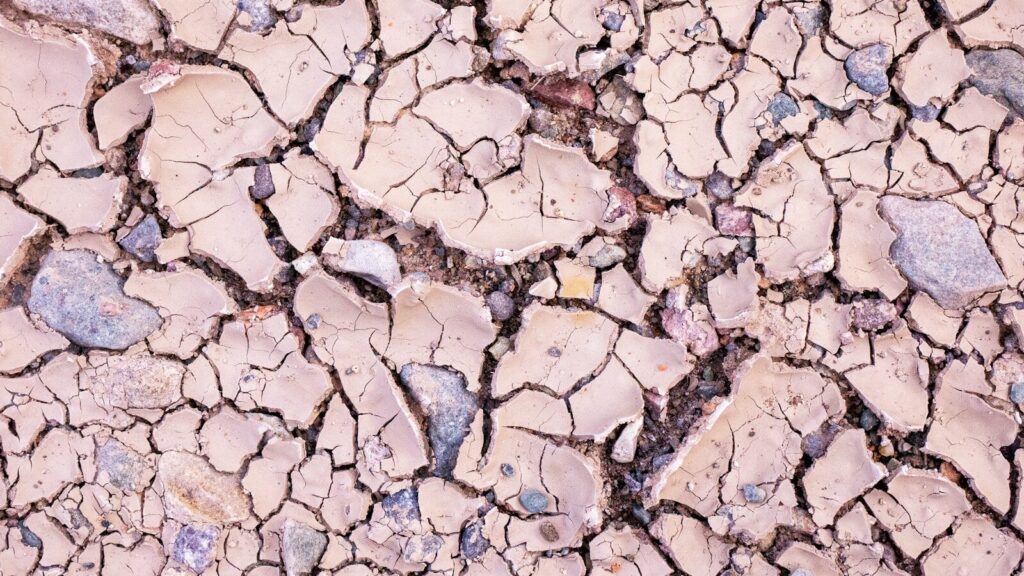
Deep cracks in parched soil demonstrate the severe agricultural realities of global weather extremes. A Record-Strength El Niño 2026 will severely test agricultural resilience in regions prone to sudden precipitation deficits.
Prolonged moisture deficits drastically reduce crop yields and stress local economies.
Global Climate Impacts and Ecological Economics
When the Pacific Ocean warms to these extreme levels, it permanently alters the global atmospheric circulation, known as the Walker Circulation. This thermodynamic shift acts as a domino effect, triggering complex feedback loops across different continents.
The economic fallout from these interconnected climatic events is immense. We must view these disruptions not just as weather phenomena, but as foundational shocks to global ecological economics. For related insights into how shifting oceans alter trade, see our comprehensive analysis on marine ecosystems.
Pacific Flooding and Indonesian Droughts
The immediate epicenter of El Niño’s wrath is the Pacific basin. As warm water migrates eastward, massive convective thunderstorms follow it. This shift pulls vital rainfall away from the western Pacific and dumps it onto the central and eastern regions.
- Indonesia and Australia: These nations will likely face crippling droughts, heightening the risk of catastrophic wildfires and threatening global palm oil and wheat supplies.
- Central Pacific and South America: Conversely, coastal regions of Peru and Ecuador brace for torrential floods, threatening infrastructure and the highly lucrative anchoveta fisheries.
These opposing extremes perfectly illustrate the zero-sum nature of global moisture distribution during major El Niño events.
Agricultural Shifts and Northern Hemisphere Extremes
Further north, the atmospheric wave patterns dictated by the Pacific warming will heavily influence the United States and Europe. The Record-Strength El Niño 2026 is forecasted to inject a powerful subtropical jet stream across the southern and central United States.
This typically results in much wetter summer conditions for the U.S. Midwest. While some moisture is beneficial, excessive rainfall can delay planting seasons and rot root systems, challenging agricultural output. Meanwhile, the Atlantic hurricane season is expected to be remarkably quiet, as El Niño generates hostile upper-level wind shear that tears apart developing tropical cyclones.
Europe faces a vastly different threat profile. The altered jet stream patterns frequently trap high-pressure “blocking domes” over the continent. This setup suggests that hotter, more prolonged European heatwaves are highly probable, stressing energy grids and increasing heat-related mortality rates.
Data Summary: Projected Regional Impacts
To better visualize these shifting dynamics, the following table compares typical weak La Niña conditions against the severe disruptions expected from the upcoming atmospheric shift.
| Global Region | Current State (Weak La Niña) | Projected Impact (El Niño 2026) | Economic Sector at High Risk |
| Indonesia / Australia | Above-average rainfall | Severe drought and high wildfire risk | Agriculture, Mining, Forestry |
| U.S. Midwest | Variable to dry summers | Unseasonably wet, high flood risk | Corn & Soybean Commodities |
| Tropical Atlantic | Highly active hurricane season | Suppressed storm development | Coastal Real Estate, Insurance |
| Western Europe | Moderate summer temperatures | Extreme, prolonged heatwaves | Energy Grids, Public Health |
| South America (West) | Cool waters, dry coasts | Torrential rains, fisheries collapse | Commercial Fishing, Infrastructure |
Why the Record-Strength El Niño 2026 Matters Systemically
While climate models from the National Oceanic and Atmospheric Administration also indicate warming, the ECMWF’s aggressive +3°C runs highlight a crucial vulnerability in our global systems. We are transitioning from a prolonged period of oceanic cooling directly into a massive heating phase.
This whipsaw effect leaves ecosystems and economies dangerously little time to adapt. In the context of broader ecological economics, an extreme El Niño acts as a threat multiplier. It exacerbates existing supply chain bottlenecks, drives up global food inflation, and stresses water resources in regions already grappling with baseline climate shifts.
For a deeper dive into how policy must adapt to these rapid changes, review our latest systemic overview on climate legislation.
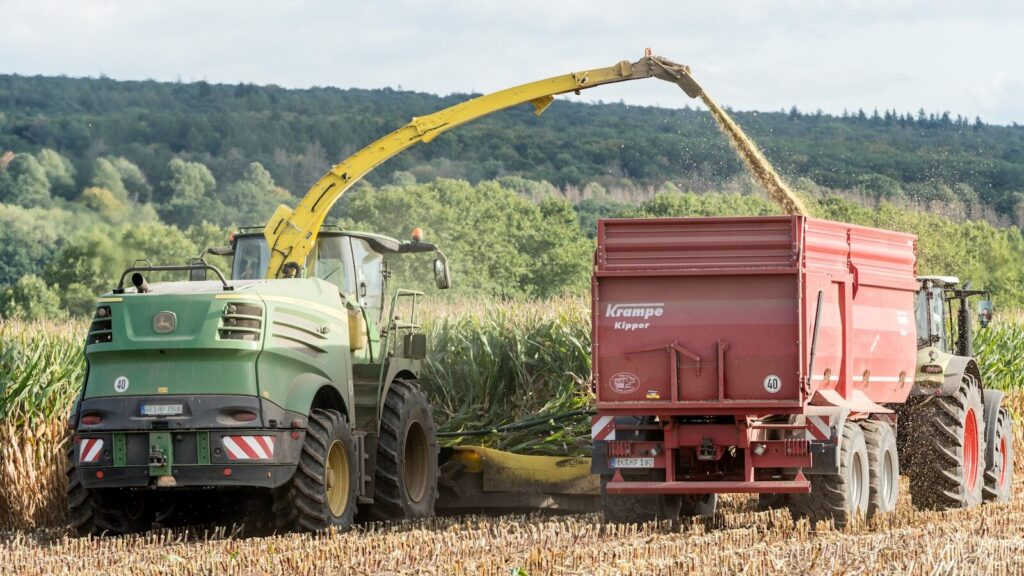
A tractor working through a dense crop field highlights the need for advanced agricultural resilience. Farmers must monitor ECMWF climate models closely to prepare for the heavy rains expected from a Record-Strength El Niño 2026.
Predictive climate data is becoming the most vital input for modern agricultural success.
Preparing for the Record-Strength El Niño 2026
Uncertainty remains a factor in all meteorological forecasting. However, the sheer consensus among leading atmospheric models requires immediate proactive measures. Waiting for the ocean temperatures to peak before acting guarantees economic losses.
- Commodity Markets: Traders and buyers must secure futures and diversify supply lines for crops vulnerable to both droughts (coffee, palm oil) and floods (midwestern grains).
- Infrastructure Management: European municipalities must audit their electrical grids to withstand the cooling demands of extreme heatwaves.
- Water Conservation: Regions facing drought must implement aggressive water retention strategies long before the seasonal rains fail.
Understanding the “Why” behind the Record-Strength El Niño 2026 empowers leaders to move from reactive disaster management to proactive resilience planning. The heat trapped in the Pacific is a physical reality; how our global systems absorb that shock depends entirely on our preparation today.