
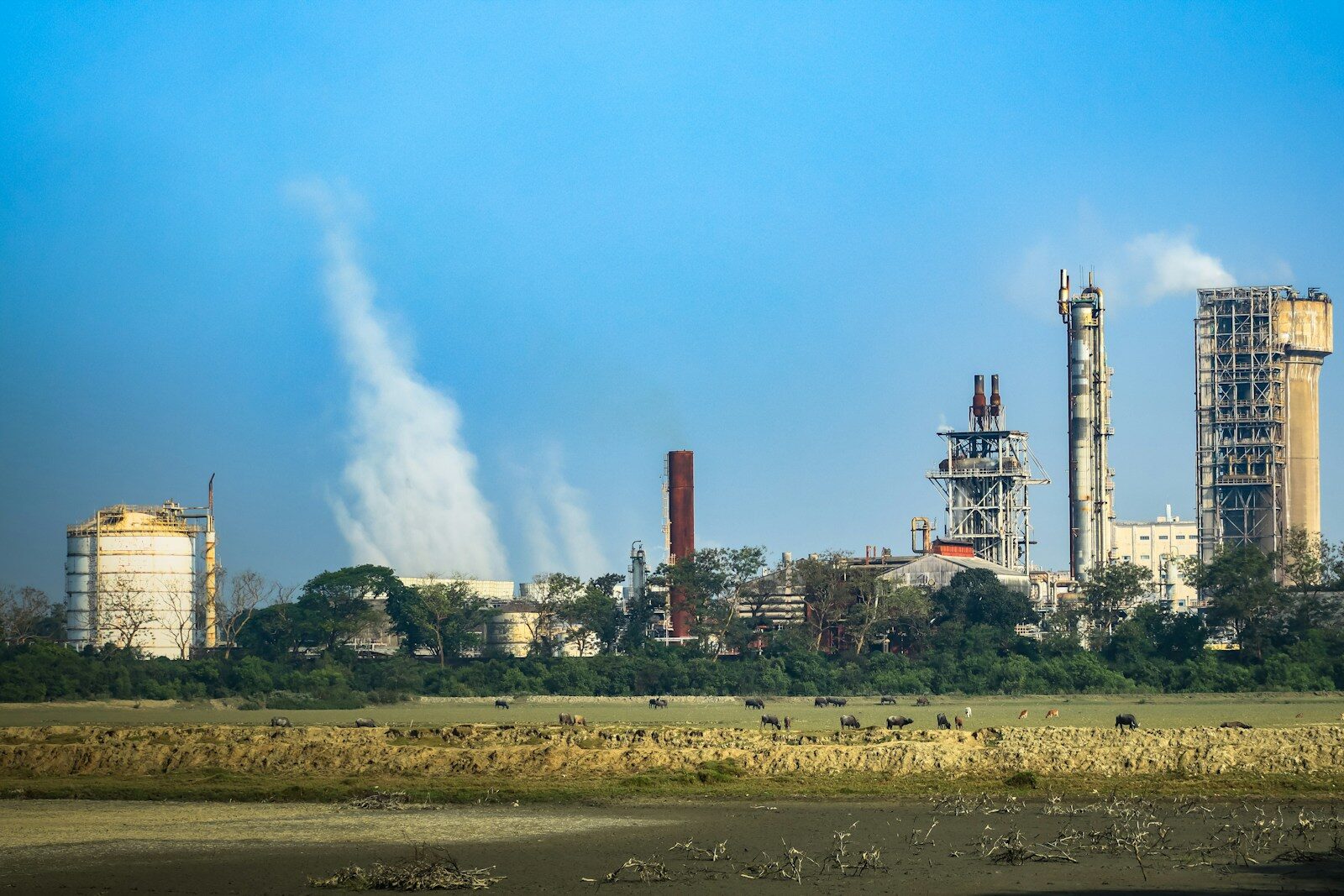
7 Alarming Fertilizer Shocks Spark the Biofertilizer Transition
The recent constriction of the Strait of Hormuz has sent unprecedented shockwaves through the global agricultural sector. As shipments of liquefied natural gas and essential agrochemicals stall, the biofertilizer transition is no longer a theoretical ideal but an immediate, systemic necessity. This geopolitical chokepoint has brutally exposed the deep vulnerabilities of our modern food systems. We must examine why a centralized, fossil-fuel-dependent fertilizer supply chain threatens global food security. Bridging the gap between geopolitical events and long-term ecological economics reveals a profound truth. The shift toward decentralized, microbial nutrient cycling is critical to stabilizing both our ecosystems and our economies.
Table of Contents
The Mechanics of the Global Fertilizer Shock
The global agricultural system relies heavily on a fragile, highly centralized petrochemical corridor. When disruptions occur in key shipping routes like the Strait of Hormuz, the supply of urea, ammonia, and vital phosphates is immediately choked off. This creates an artificial scarcity that sends synthetic fertilizer prices skyrocketing, devastating agricultural economics globally. To understand this vulnerability, we must recognize that modern synthetic nitrogen is entirely tethered to fossil fuels.
The Haber-Bosch process, which synthesizes ammonia from atmospheric nitrogen, requires massive amounts of natural gas. When energy corridors close, the cost of agricultural inputs inevitably surges, disproportionately affecting developing nations and import-reliant economies. This bottleneck forces us to reconsider the systemic architecture of how we nourish our crops. We are witnessing the catastrophic failure of an agricultural model that treats localized soil fertility as a global commodity.
Therefore, adopting a comprehensive biofertilizer transition represents a crucial decoupling from volatile geopolitical energy markets. By moving away from imports, nations can insulate their agricultural sectors from distant conflicts. The current crisis is not merely a logistical failure; it is a profound structural warning about the unsustainability of fossil-fueled farming.
Why the Biofertilizer Transition is Ecologically Imperative
The extreme vulnerability of synthetic inputs makes the biofertilizer transition an absolute ecological necessity for planetary health. For decades, the excessive application of synthetic nitrogen has degraded soil microbiomes and fundamentally disrupted the global nitrogen cycle. This massive over-reliance causes severe nutrient runoff, leading to devastating aquatic dead zones and widespread ecological degradation.
Biofertilizers, however, utilize naturally occurring living microorganisms to establish symbiotic relationships with plant roots. By harnessing specific nitrogen-fixing bacteria, mycorrhizal fungi, and phosphate-solubilizing microbes, we can organically amplify nutrient availability. This living paradigm shift directly addresses the long-term ecological damage caused by synthetic agrochemicals.
Implementing a systemic biofertilizer transition allows agricultural lands to heal and regenerate their natural carrying capacity. Microbial life in the soil complex can slowly replace the need for energy-intensive chemical applications. This biological approach ensures that nutrients are delivered to plants precisely when needed, rather than washing away into vital watersheds.
Soil Degradation and Carbon Feedback Loops
The continuous application of synthetic fertilizers structurally degrades soil architecture and aggressively depletes soil organic carbon. When soil health collapses, it loses its vital water-retention capacity, rendering crop yields highly susceptible to climate change-induced droughts. This dynamic creates a dangerous carbon feedback loop, accelerating planetary warming while simultaneously destroying food security. The Intergovernmental Panel on Climate Change heavily emphasizes that restoring degraded agricultural soils is absolutely vital for global climate mitigation.
A successful biofertilizer transition directly interrupts this feedback loop by enhancing soil organic matter and sequestering atmospheric carbon. Microbially active soils are vastly more resilient to extreme weather events, heavy rainfall, and prolonged climatic shifts. We must prioritize sustainable soil management practices to rebuild these vital ecological foundations before further geopolitical shocks occur.
Economic Decentralization Through the Biofertilizer Transition
Centralized synthetic fertilizer production concentrates immense economic power within a few geopolitically sensitive regions. This structural flaw guarantees that any conflict, embargo, or supply chain disruption instantly translates into food inflation and increased rural poverty. Moving toward a comprehensive biofertilizer transition democratizes agricultural inputs by emphasizing localized, on-farm nutrient production.
When farmers utilize microbial inoculants and biologically derived nutrients, they fundamentally shield themselves from global price volatility. This localized approach keeps agricultural capital circulating within rural economies rather than being extracted by multinational petrochemical conglomerates. A decentralized, resilient approach is a central cornerstone of the ecological economics of agriculture.
The biofertilizer transition transforms farmers from dependent consumers of chemical products into stewards of their own biological assets. By cultivating robust microbial populations, producers dramatically reduce their annual operating expenses and lower their financial risk profiles. This shift alters the fundamental power dynamics of the global agricultural sector.
Shifting from Petrochemicals to Ecological Economics
The true cost of synthetic fertilizers is heavily subsidized by unpriced environmental externalities and massive fossil fuel subsidies. When we account for greenhouse gas emissions, municipal water purification costs, and biodiversity loss, synthetic inputs are remarkably economically inefficient. A robust biofertilizer transition internalizes these hidden costs, shifting global agricultural markets toward genuine ecological economics.
By heavily investing in bio-based nutrient cycling, nations can drastically reduce their sovereign dependence on imported natural gas and foreign phosphates. This macroeconomic shift fosters authentic food sovereignty and builds inherent resilience against future global supply chain disruptions. The Food and Agriculture Organization continuously advocates for such resilient, locally adapted agricultural systems as a defense against global instability.
Data Comparison: Synthetic Fertilizers vs. Biofertilizers
Understanding the quantitative and qualitative differences is essential for accurately evaluating the scope of the biofertilizer transition. The following table outlines the profound systemic contrasts between these two dominant agricultural paradigms.
| Feature | Synthetic Fertilizers | Biofertilizers |
| Primary Source | Fossil fuels (Natural Gas, Mined Phosphorus) | Living microorganisms (Bacteria, Fungi) |
| Production Model | Highly centralized, geopolitically sensitive | Decentralized, local/regional bio-manufacturing |
| Cost Volatility | Extreme (tied to global energy markets) | Low to Moderate (stable biological inputs) |
| Soil Impact | Degrades microbiome and soil organic carbon | Restores soil architecture and microbial life |
| Water Impact | High risk of leaching and aquatic eutrophication | Negligible leaching; improves water retention |
| Carbon Footprint | Massive emissions during production and use | Carbon negative (facilitates soil sequestration) |
This data clearly illustrates why the biofertilizer transition is not merely an environmental preference, but a strict economic imperative. The reliance on synthetic inputs creates an inherently fragile supply chain that is prone to catastrophic failure.
Systemic Alternatives: Navigating the Biofertilizer Transition
Executing a successful and rapid biofertilizer transition requires a multi-faceted approach to agricultural policy and on-farm practices. We must bridge the massive gap between cutting-edge microbiological research and practical, large-scale agronomic implementation. This involves heavily scaling up the production of high-quality, regionally adapted microbial inoculants that are proven to perform in varied climates.
Key systemic steps to actively facilitate this biofertilizer transition include:
- Targeted Policy Support: Reallocating agricultural subsidies from fossil-fuel-based inputs directly to regenerative biological alternatives.
- Comprehensive Farmer Education: Providing extensive training on soil microbiology, green manure application, and advanced commercial composting techniques.
- Regulatory Reform: Streamlining the national approval process for bio-based agricultural products without compromising rigorous ecological safety standards.
- Incentivizing Carbon Markets: Rewarding farmers financially for the verifiable carbon sequestered through the use of biofertilizers.
These systemic alternatives form the essential bedrock of fully regenerative food systems, ensuring long-term yield stability. By integrating these strategic policies, the biofertilizer transition moves from a niche, experimental practice to the standard baseline of global agriculture.
Scaling Up Biological Manufacturing
To fully replace synthetic nitrogen inputs, we must establish a vast network of localized bio-manufacturing hubs. These facilities will focus on culturing resilient strains of Rhizobium, Azotobacter, and mycorrhizal fungi specifically adapted to local soil microbiomes. This decentralized manufacturing approach ensures that the biofertilizer transition creates high-quality green jobs within rural communities.
Furthermore, advancements in precision fermentation are dramatically lowering the cost of producing these vital microbial inoculants at scale. As these biological technologies mature, they will entirely disrupt the traditional agrochemical monopoly. This technological leap makes the biofertilizer transition both scalable and highly profitable for modern agricultural enterprises.
Conclusion: Securing Long-Term Agricultural Resilience
The ongoing geopolitical disruptions in the Strait of Hormuz serve as a stark, undeniable warning about the extreme fragility of our current food architecture. We can no longer afford to stake global food security on precarious, highly centralized fossil-fuel chokepoints and volatile natural gas markets. The accelerated biofertilizer transition offers a highly pragmatic, scientifically rigorous pathway out of this deep systemic vulnerability.
By aggressively embracing microbial nutrient cycling, we not only stabilize agricultural economics but actively heal our heavily degraded terrestrial ecosystems. This necessary transition represents a profound evolutionary step in how human civilization interacts with the broader biosphere. The geopolitical and environmental urgency to adopt a full-scale biofertilizer transition has never been clearer, nor the ecological mandate more definitive.