
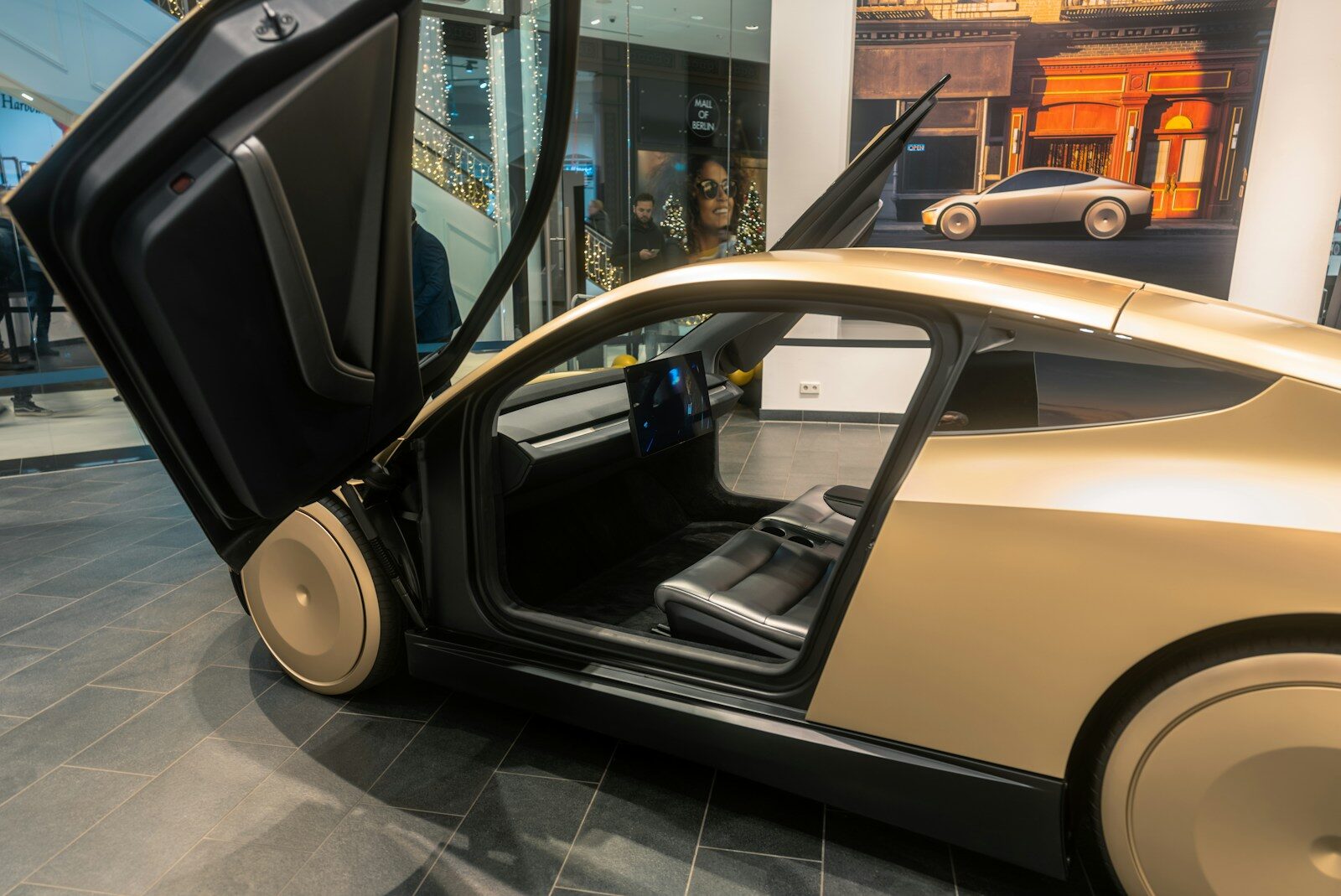
Can Tesla’s Robotaxi Actually Help the Environment?
Autonomous vehicles have long been framed as the next revolution in transportation. Now, Tesla is moving closer to turning that promise into reality with its upcoming Robotaxi platform—an autonomous electric ride-sharing service that could transform how people move through cities.
But beyond the technological excitement lies a deeper question: could Tesla’s Robotaxi meaningfully reduce transportation emissions, or might it unintentionally increase them?
Transportation is the largest source of greenhouse gas emissions in the United States. Any major shift in mobility systems—especially one involving millions of vehicles—could significantly shape the future of urban sustainability.
Understanding whether Tesla’s Robotaxi could help the environment requires looking beyond the vehicle itself and examining the entire transportation system it might influence.
Table of Contents
Why Transportation Is a Major Climate Problem
In the United States, transportation accounts for roughly 28–30% of total greenhouse gas emissions, according to federal climate data.
Most of these emissions come from:
- Passenger cars
- SUVs
- Light-duty trucks
- Urban commuting patterns
Even as electric vehicles grow more popular, many climate experts argue that simply replacing gasoline cars with electric ones may not be enough.
Urban congestion, inefficient vehicle usage, and car-dependent infrastructure all contribute to unnecessary energy consumption.
This is where autonomous ride-sharing systems like Tesla’s Robotaxi could potentially change the equation.
What Tesla’s Robotaxi System Is Supposed to Do
Tesla’s Robotaxi concept centers on fully autonomous electric vehicles operating as a ride-hailing network.
Instead of owning a car, users would request a ride through an app. The autonomous vehicle would arrive, transport the passenger, and then move on to the next trip.
Key characteristics include:
- Fully electric vehicles
- No human driver
- App-based ride requests
- Continuous vehicle utilization
Because these vehicles could operate nearly all day, Tesla believes the system could dramatically increase how efficiently cars are used.
Today, most personal vehicles sit parked about 95% of the time.
Robotaxis could turn cars into shared transportation assets rather than private property.
The Potential Environmental Benefits
1. Fewer Cars in Cities
If robotaxis become widely adopted, fewer people may feel the need to own a private vehicle.
This could lead to:
- Reduced parking demand
- Less urban congestion
- Lower overall vehicle production
Vehicle manufacturing itself carries a significant carbon footprint, particularly from battery production.
A shared fleet model could reduce the number of vehicles needed to serve the same population.
2. Higher Vehicle Utilization
Shared autonomous fleets can operate far more efficiently than privately owned vehicles.
Instead of sitting unused in parking lots or garages, robotaxis could remain active throughout the day.
Higher utilization means:
- Fewer total vehicles required
- Better energy efficiency per passenger mile
- Reduced material demand across the transportation sector
3. Accelerated Electric Vehicle Adoption
Tesla’s Robotaxi system would be entirely electric.
If autonomous ride-sharing becomes cheaper than owning a gas vehicle, it could accelerate the transition away from internal combustion engines.
This could reduce:
- Tailpipe emissions
- Urban air pollution
- Oil demand
For cities struggling with smog and traffic emissions, this shift could be significant.
The Environmental Risks No One Talks About
Despite these potential benefits, many transportation researchers warn that autonomous ride-sharing could also increase emissions under certain conditions.
1. More Total Driving
If robotaxis become extremely cheap and convenient, people may choose them over:
- Public transit
- Walking
- Cycling
This could increase total vehicle miles traveled (VMT), a key driver of emissions.
Even electric vehicles have environmental costs—from electricity generation to battery manufacturing.
2. Empty Vehicle Trips
Autonomous vehicles often travel without passengers between rides.
These “deadhead miles” can increase traffic and energy use if fleets are poorly managed.
Large fleets circulating through cities could add to congestion rather than reduce it.
3. Urban Sprawl Expansion
Cheap, convenient autonomous rides could make long-distance commuting more attractive.
This might encourage people to live farther from city centers, potentially expanding urban sprawl.
Sprawling development typically leads to:
- More infrastructure demand
- Higher transportation emissions
- Greater land use pressure
The System-Level Question
Whether Tesla’s Robotaxi helps the environment will depend less on the technology itself and more on how cities integrate autonomous transportation into their mobility systems.
Key policy choices will matter:
- Integration with public transit
- Congestion pricing policies
- Fleet regulations
- Urban planning decisions
Robotaxis could either complement public transportation or compete with it.
The difference could determine whether they reduce emissions—or increase them.
What Transportation Experts Are Watching
Researchers studying autonomous mobility are focusing on several key indicators:
Vehicle Miles Traveled (VMT)
Will total driving increase or decrease?
Fleet Size
Will robotaxis replace private vehicles or simply add to them?
Energy Source
How clean is the electricity powering the fleet?
Transit Integration
Will robotaxis replace buses and trains—or connect people to them?
The environmental outcome will likely depend on how these factors interact.
The Bigger Trend: Transportation as a Service
Tesla’s Robotaxi is part of a broader shift known as Mobility as a Service (MaaS).
Instead of owning vehicles, people may increasingly rely on:
- Shared rides
- Autonomous fleets
- Integrated mobility apps
This could fundamentally reshape transportation systems over the next two decades.
In the best-case scenario, cities could evolve toward:
- Fewer private vehicles
- Cleaner transportation energy
- More efficient urban mobility networks
In the worst case, autonomous fleets could simply make car travel even more dominant.
The Bottom Line
Tesla’s Robotaxi could potentially reduce transportation emissions—but the outcome is far from guaranteed.
The environmental impact will depend on whether autonomous ride-sharing replaces private car ownership or simply makes car travel cheaper and more common.
Technology alone rarely determines environmental outcomes.
Instead, the interaction between innovation, policy, and urban design will decide whether systems like Tesla’s Robotaxi become a climate solution—or just another layer of the transportation problem.
FAQs
Will Tesla’s Robotaxi reduce carbon emissions?
It could reduce emissions if it replaces privately owned gasoline vehicles and operates on clean electricity. However, emissions could rise if autonomous rides significantly increase total driving.
Are autonomous vehicles better for the environment?
Autonomous vehicles can improve efficiency and reduce traffic congestion, but their environmental impact depends heavily on how they are deployed and regulated.
When will Tesla Robotaxis launch?
Tesla has suggested plans for a Robotaxi network in the coming years, though full autonomous deployment timelines remain uncertain.