5 Major Cities Sinking Fast: The Hidden Cost of Groundwater Depletion
Published on December 30, 2025 by Dr. A. M.
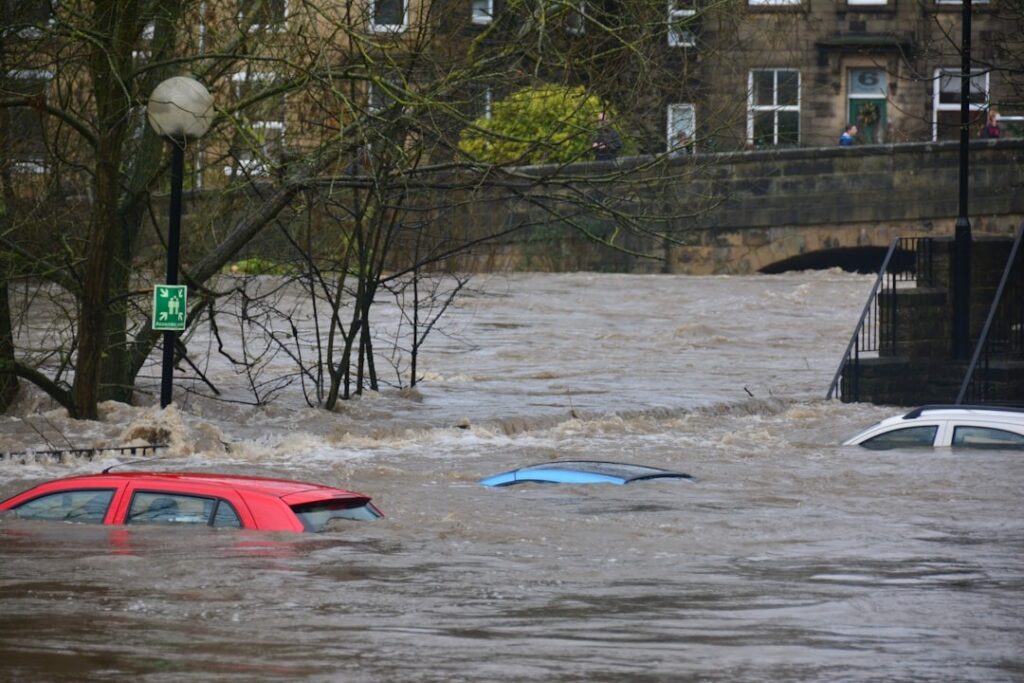
We often think of the ground beneath our feet as the one thing in life that is stable. But for millions of people around the world, the earth is literally disappearing beneath them.
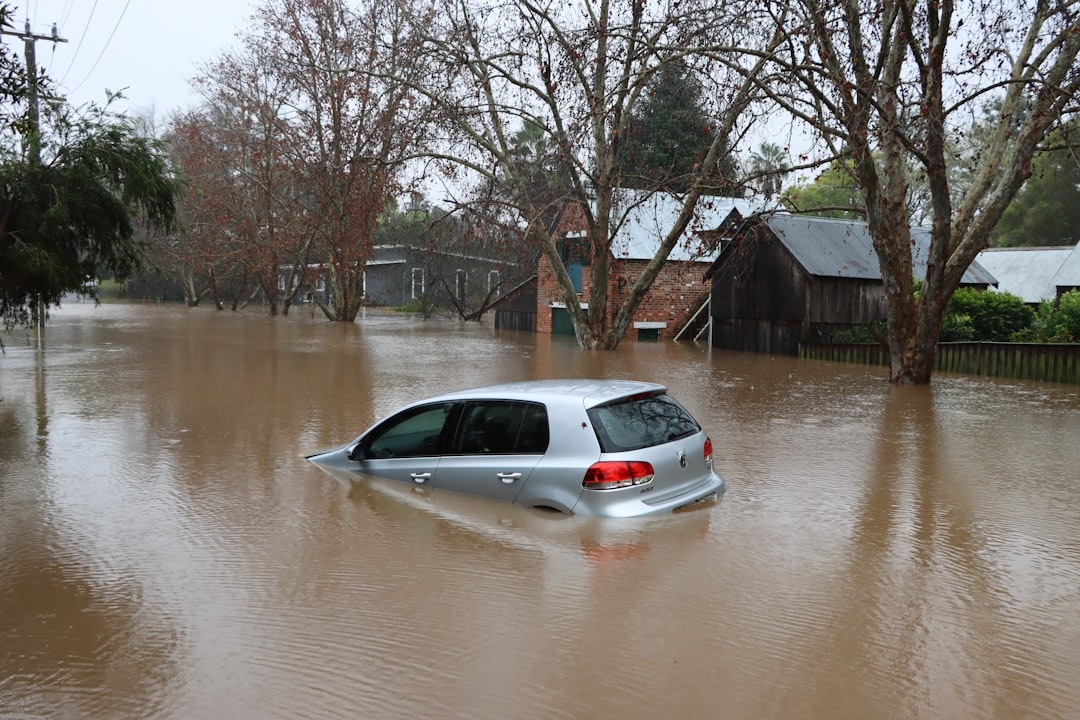
While rising sea levels get the headlines, a quieter crisis is happening below the surface: Land Subsidence. As we pump out groundwater faster than nature can replenish it, the soil compresses and the land sinks. This process doesn’t just damage roads and bridges; as detailed in our comprehensive report, it can even trigger groundwater-induced earthquakes.
Here are 5 major cities that are sinking right now due to our thirst for water.
1. Jakarta, Indonesia (The Fastest Sinking City)
Jakarta is the poster child for this crisis. Parts of the city are sinking by up to 25 centimeters (10 inches) per year. The situation is so critical that the Indonesian government has announced plans to move the national capital to a completely new location on the island of Borneo.
- The Cause: Massive extraction of groundwater for drinking and sanitation by millions of residents.
- The Consequence: About 40% of Jakarta is now below sea level, making massive flooding a regular, catastrophic event.
2. Mexico City, Mexico
Built on the soft clay of an ancient lake bed, Mexico City has been sinking for decades—some areas have dropped by more than 10 meters (32 feet) over the last century.
- The Cause: The city relies on the aquifer below it for 70% of its water.
- The Consequence: Historic cathedrals are tilting, and vital infrastructure like subway lines is constantly cracking. The uneven sinking creates massive tension in the ground, complicating the city’s relationship with seismic activity.
3. San Joaquin Valley, California, USA
This isn’t just an urban problem; it’s an agricultural one. This region produces a huge percentage of America’s food, but at a terrible cost to the land.
- The Cause: Farmers pump groundwater to irrigate crops during droughts.
- The Consequence: In some places, the land has subsided by 28 feet since the 1920s. This “deflation” of the aquifer permanently reduces its ability to hold water in the future, creating a vicious cycle of scarcity.
4. Beijing, China
As Beijing grew into a massive metropolis, its water demand skyrocketed.
- The Cause: Over-extraction for industrial and domestic use.
- The Consequence: The city is sinking by roughly 11 centimeters (4 inches) per year in its Chaoyang district. This subsidence threatens the structural integrity of skyscrapers and the city’s extensive high-speed rail network.
5. Tehran, Iran
Tehran faces one of the highest rates of subsidence in the world.
- The Cause: A population boom combined with illegal well drilling.
- The Consequence: Huge fissures and sinkholes are opening up in the plains south of the city, swallowing farmland and threatening power lines.
Why This Matters (It’s Not Just About Sinking)
When the ground sinks, it doesn’t just lower the elevation. It changes the pressure dynamics of the earth’s crust. As the weight of the water is removed, the stress on local fault lines changes.
This brings us to a terrifying question: Does draining our aquifers actually cause earthquakes?
The science suggests the answer is yes. To understand the mechanics of how water extraction destabilizes the earth’s crust, read our deep-dive investigation: The Unseen Link Between Groundwater and Induced Seismicity.
-

Cooling Rivers and Streams Could Save Overheated Fish: Inside a New Effort to Cool Warming Waters
Rivers and streams across the United States are warming faster than many fish species can adapt. As summers grow hotter and low-flow periods lengthen, cold-water fish—especially…
-

The Health Impacts of Climate Change: Dengue and Heat Stress in 2025
The accelerating rate of planetary warming is no longer just an atmospheric anomaly; it is a profound biological crisis. When analyzing the climate change health impacts…
-
Climate Change and Its Growing Impact on Agriculture
Agriculture in the United States is entering a new era in which familiar climate patterns can no longer be taken for granted. Rising temperatures, shifting rainfall,…
-

Extreme Weather 2025: How ENSO and IOD Drove Global Disasters
The escalation of 2025 extreme weather events represents a stark mathematical reality of our rapidly warming planet. When analyzing meteorological hazards, it is scientifically inadequate to…
-

Sustainable Macroeconomics Frameworks: How Economics Evolves for a Climate-Changed Century
Overview As climate risks reshape markets, supply chains, and national budgets, economists are rethinking the foundations of macroeconomic policy. Sustainable macroeconomics frameworks aim to integrate environmental…
-
Accelerating Global Ice Loss: 2025 Glacier Retreat and Sea-Ice Extent
When analyzing the Earth’s destabilizing climate, the 2025 sea-ice extent serves as a stark, undeniable indicator of systemic cryosphere collapse. The cryosphere—encompassing the planet’s frozen water,…